Friday, April 26, 2013

Chenin Blanc Varietal Blog Entry (With Tasting)

Chenin Blanc is a white grape whose origin is the Loire Valley in France. Pronounced (shen in blahnk), this grape tends to be considered one of the most versatile varieties, since it can be used to produce table wines, sparkling wines, dessert wines, and even brandy, while all using entirely or predominantly Chenin Blanc grapes. Its versatility comes from its high acidity. You most definitely can’t say that about most all other grape varieties. While its origin in the Loire Valley, where it is sometimes referred to as Pineau de la Loire, there is much less of it planted there than in other countries around the world. Chenin Blanc is extremely popular in countries such as Brazil, Chile, Mexico, and Argentina, where there are over 10,000 acres of these vines. In South Africa, it is the main grape taking up over twenty percent of all the vines planted there. It seems to be quite popular in the United States as well, being the third most popular white grape planted in California.
            Chenin Blanc can vary from one extreme to the other taste wise. It can be dry, semi dry, sweet and sparkling, or even a dessert wine. But, despite the wide array of styles, it always seems to have floral and honey tones along with a refreshing amount of acidity. Depending on the region it’s from, it has also been known to produce flavors such as apple, melon, lime, and pear, and sometimes hints of vanilla. These wines tend to pair very well with salads, seafood and white meats, sushi, and mild to spicy rice dishes.
            This grape tends to bud early in the growing season and then ripen late, making it ideal for warmer climates unlike the Loire Valley. Like in my previous varietal report on Semillon, noble rot is very much a factor in how a Chenin Blanc varietal can taste by intensifying certain flavors. It is very crucial to harvest the grapes at the right time with this variety. Harvesting them too soon will result in very high acidity and, according to wine expert Oz Clarke, “one of the nastiest wines possible.” If harvested too late, they will not retain any of their known characteristics and make them seem very bland with not much of any flavor.
           
In the Loire Valley, French regulations mandate that the yields to be kept low, which allows for the characteristic Chenin Blanc flavors to be more prominent rather than in high yield vineyards where the flavors become more bland and diluted. Compared to the other popular regions, Chenin Blanc yields tend to be relatively low. But, even with the smaller yields than other regions such as California and South Africa, it still has arguably some of the best Chenin Blanc wines in the world.

            California, another well known region for this varietal, with over 5,300 hectares planted throughout the state, tends to have high yields when compared to those produced in the Loire Valley. Similar to how California uses its Semillon, Chenin Blanc is primarily used as a mixing or blending grape, and seems to stand in the shadow of California’s big name wines like Chardonnay and Cabernet Sauvignon.
            The other main region producing mass quantities of this grape is South Africa. This region is similar to California, whereas the number of plantings continues to increase even though these grapes are not nearly as popular as they are in the Loire Valley region. This region has some titanic numbers of plantings though compared to California. It more than triples those in California, with well over 18,000 hectares of Chenin Blanc! The climate in this area helps this grape out profoundly, hence why there are so many plantings country wide.
          Going along with this varietal report, I wanted to taste this particular varietal as well. This was far easier to find than my previous varietal of Semillon, and I was able to come up with a Chenin Blanc from Argentina for a very nice price. If I were to suggest a dish with this white it would probably be a seafood or white meat dish, as these fruitier whites tend to always go nicely with chicken or seafood. I particularly enjoy whites with scallops. This varietal would go great with any of these because of its high acidity working well with the dryness of the white meats, while also giving it a little boost of flavor. Ever had apples with grilled chicken? It does pretty much exactly the same thing most white wines do when paired with it. Adds that perfect little kick of fruit. It’s truly a great combination and is one of the classics. Always a go to. Now, just to be clear, I am only recommending this pairing for the specific bottle of Chenin Blanc varietal that I bought, since it going to be one of the fruitier semi sweet varieties. Since Chenin Blanc can be produced into so many different wines I wouldn’t necessarily recommend it when it’s made as a super dry wine or as a dessert wine. A sparkling wine would be great with my recommendation as well though. I could see a sparkling Chenin Blanc taste very much like a champagne which pairs extremely well with just about anything. Let’s get on to the tasting. This is the wine:

Name: Aconga Chenin Blanc
Variety: 80% Chenin Blanc, 20% Chardonnay
Region: Mendoza
Country: Argentina
Year: 2011
Price: $3.99
            Now for the tasting. The wine is a very nice golden yellow, pretty bright compared to a lot of whites, with maybe just a slight tinge of green.
On the nose I’m getting some nice subtle fruity notes jumping out but nothing very strong or overwhelming. A little apple and melon, maybe a hint of pear and citrus. The initial feeling on the palate was a very nice fruitiness but the tail end came off a little bitter. Not an unpleasant tartness at the end, but just enough to make your lips pucker a bit. Definitely not a complex wine but the way it’s presented is quite enjoyable. The sugar acid balance seems to be in check for the most part, but it may be leaning towards the acidic side a little bit. At 12.5% alcohol, it does a good job of disguising it. No alcohol tastes at all with this wine. I definitely can’t complain for a four dollar bottle of wine. Definitely not my favorite but it’s bearable. Seems very similar to a few Chardonnays that I have had.

Sources:

*Note to the TA's, I forgot to list the sources for my previous Varietal report on Semillon, so I will list them here:

Thursday, April 25, 2013

Final week of tastings

Name: Trattoria Busa Alla Torre Da Lele
Variety: Pinot Grigio
Region: Veneto
Country: Italy
Year: NV
Price: $7.95

Winery Review: Named after the famous restaurant in Italy! This is their house white wine! Coppery color from extended skin contact, round and rich texture with juicy melon aromas and flavors with a sweet fennel note on the ultra smooth finish. Great value Grigio! Drink now.

My Review: Very sweet and fruity smelling, almost seems like a moscato on the nose. Extremely light in color with pretty close to no color at all. Seems to come off pretty smooth on the palate at first but then there is a super tart taste towards the tail end that just ruins it for me. Just a little bitter on the aftertaste.

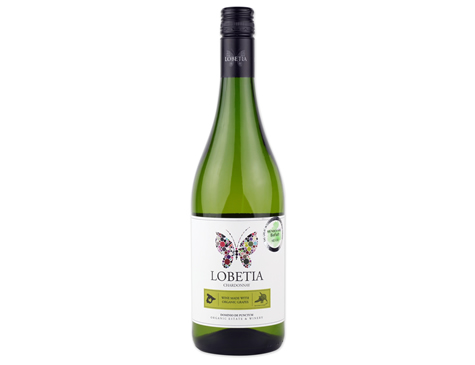
Name: Lobetia Chardonnay
Variety: Chardonnay
Region: La Mancha
Country: Spain
Year: 2011
Price: $10.95

Winery Review: Organically and naturally grown and made, this wine allows the varietal and the terrior to stand out cleanly. Clean, bright color with a greenish-yellow tone. On the nose, exotic fruits like pineapple. Full flavored, fresh, with good acidity in the mouth, it finishes with tropical fruits.

My Review: Very light citrus with maybe a little pear and pineapple hints on the nose. Smells very similar to the sweet Rieslings I usually drink. Very nice Chardonnay after getting my first taste. Nice and fruity without a lot of dryness, I definitely do like. If it wasn't as pricey I would have definitely bought a bottle.

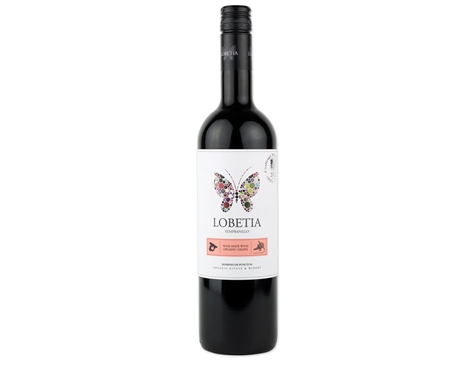
Name: Lobetia Tempranillo
Variety: Tempranillo
Region: La Mancha
Country: Spain
Year: 2011
Price: $10.95

Winery Review: Organically and naturally grown and made, this wine allows the varietal and the terrior to stand out cleanly. It shows a nice cherry color with a violet shade because of its youth. Red berries and cherries on the nose. On the palate it is fresh, slightly astringent, and harmonious with a long finish.

My Review: A lighter red in color, and all I can get is cherries on the nose. Smells like another typical Tempranillo to me. And after the taste, tastes like a typical one as well. I'm not quite sure why, but this varietal seems to always taste identical to me no matter where its from.

Name: Reserve Grand Veneur Cotes du Rhone
Variety: 70% Grenache, 20% Syrah, 10% Cinsault
Region: Rhone Valley
Country: France
Year: 2010
Price: $14.95

Winery Review: This wine displays loads of ripe flavors. It is very concentrated for a Cotes du Rhone, and is actually an amazing wine. Classic garrigue, black cherry liqueur, lavender, licorice and spice box are all present in this full bodied, intense, and rich Cotes du Rhone. This is a sensational effort to drink over the next 4-5 years, although it might last even longer.

My Review: Dark cherry red in color. Again, not getting much but dark cherry on the nose. To the palate is has a nice body to it, nice cherry flavors with a little spice, and a small amount of tannins towards the tail end. Definitely not as good as it talks itself up to be in my opinion, but still a decent wine. Nothing I would spend 15 dollars on though. 

Sunday, April 21, 2013

Semillon Grape Varietal Blog Entry (With Tasting)


  Semillon, a grape which continues to decrease in popularity, was once considered to be the most planted grape in the world. This grape once covered over 90% of South Africa’s vineyards, and now, in the present day, it only accounts for around 1%. Semillon is a gold-skinned grape mostly used to make dry and sweet wines, which are most popular in the areas of western France, Australia, Chile, and Argentina. Its origin is believed to be Bordeaux, which is now of course home to some of the most famous red wines in the world. Semillon, in the 1960’s, was actually planted more than any other variety in Bordeaux. Since then, the rapid decrease in Semillon production began, when more sought after and marketable varieties such as Merlot and Cabernet Sauvignon were replanted in place of most of the Semillon vines. 

                Semillon is a very thick skinned grape, and is characterized by its golden autumnal colors. Although the fruit is most times a nice light golden green, it is never uncommon to find some pink and copper colored berries particularly near harvest time. It tends to bud later and ripen earlier than most grapes. This grape grows on very easy to cultivate vines and has a nice thick skin which makes them very resistant to splitting. It will normally produce anywhere from six to eight tons of grapes per acre from its vigorous vines.
                Semillon is most times not made as a varietal wine, and is in fact fairly hard to find. It is commonly blended with Sauvignon Blanc or Muscadelle in order to balance its weight or to add sweetness. When you do happen to stumble upon a varietal of this grape, it tends to be a dry or sweet wine. Key regions where you will find the dry Semillons are Graves, Bordeaux, and the Hunter Valley in Australia. You can also find it in various other places such as the United States, Chile, South Africa, and New Zealand. The sweet Semillons are usually found wherever that particular vine may grow, but the most renowned regions for theses sweet wines are Sauternes and Barsac in Bordeaux.
                As one of the major countries still using this grape, France tends to use it in many different ways. As mentioned earlier, France tends to take the grapes and mix them with other varieties like Sauvignon Blanc and Muscadelle, to create a very tasty blended white. Semillon tends to play a very minor part in these whites, but as a whole, this is their most common use. However, there are plenty of wines, especially those sweeter whites out of Sauternes, Barsac, and Cerons, that use Semillon as the main variety. These have become some of the most famous Semillons around the world because of their sweet flavors including honey, stone fruits, and vanilla. Of the 35,000 hectares of this grape planted worldwide, Bordeaux is home to around 40% of those grapes.
                Australia is another region where Semillon is still widely grown, especially in the area known as The Hunter Valley, located just north of Sydney. The Semillon varietal there was once known as the “Hunter Valley Riesling” because it took on the sweet qualities of a Riesling but was in fact largely made from Semillon grapes. Australia has four styles of Semillon based wines. These include a commercial style, sweet style, a complex minerally style, and a high quality dry style. The commercial style is particularly similar to the common wines in France and just used to produce high volumes of blended whites. The sweet style, is typically similar to those produced out of Sauternes, with a large portion of the wine being from Semillon grapes and having those sweet and honey flavors. The complex style, which normally has sort of a mineral taste to it, is generally early picked and has great longevity, with some wines still drinking well 40 years later. The dry style, tends to be released directly after its vintage year, and never matured in oak barrels.
                Outside of these two main regions, Semillon tends to be fairly unpopular and is criticized for lack of intensity and complexity. Because of this, plantings of the grape have decreased rapidly over the past decade. The grape can still be found in several places in Chile and South Africa, and Chile has been known to have some of the most plantings in acres. This tends to fluctuate often though. In the United States, Semillon can be found in California and in Washington state. California primarily  uses Semillon to blend it with their Sauvignon Blanc as most places do, and Washington actively uses Semillon in their Ice Wine and late harvest wine. Recently, Argentina and New Zealand have been using the grape, but mostly using it as the majority of places do, as an ingredient for blends.
                To go along with this report on Semillon, I decided I wanted to go out and try a varietal bottle for myself. This proved to be particularly difficult, actually, very difficult. After searching through all the wine at Kroger, a varietal of Semillon was nowhere to be found. Luckily our friends at The Vintage Cellar were able to help me out. They had 3 bottles in the store that had a large chunk of Semillon in them. One was 50% Semillon, another 60% Semillon, and the last was 100% Semillon. I wish I could have picked up the bottle that was 100% but it was out of my price range. I settled on the bottle that was 60% Semillon which was still even a little expensive for me at $14.95. This wine is as follows:

Name: Chateau Des Perligues
Variety: 60% Semillon, 40% Sauvignon
Region: Graves (Bordeaux Wine Region)
Country: France
Year: 2011
Price: $14.95
Before tasting it, I am expecting this to be the dry style Semillon since the sweet style usually hail from the Sauternes region. I really wish I could have gotten my hands on one of the sweet Semillons since I love sweet wine but, I tried. According to the label, it suggests that this be paired with fish or shellfish, so food on the lighter side of things. I would imagine that this would also go well with chicken, seeing as just about everything does. Since it’s a bit on the dry side, I’m sure it would complement the fish or shellfish nicely since fish and seafood are juicy. This would tend to balance out the palate quite nicely. I’m not sure what to expect before trying a bit for myself, as I’m usually not a fan of any wines that are on the dry side, especially the dry whites. But, I decided to try this wine with some seafood and to see how nicely this actually contrasts and complement each other. I know that my palate wouldn’t be able to handle a very dry wine by itself, so I have cooked up some scallops and rice to see how nicely they might pair with it, because like Boyer, once I open a bottle of wine, I tend to like to finish it that same evening. So these would be my general assumptions before I actually crack open the bottle. I’m going to say that, when just drinking the wine by itself, it’s going to have a nice stone fruitiness to it, maybe some pear or apple hints, but I think the taste itself might be a little overtaken by how dry it is. Now, I haven’t smelled it yet either, these are just some assumptions. Then I think when I pair it with the scallops it will transform into a very likable wine, balancing out the scallop’s juiciness with its dry qualities, and accenting the taste with the subtle fruitiness.
                Now, to taste the wine. Alright, so I have chilled the bottle for right around 30 min. On the nose I’m getting what I expected for the most part, a little stone fruit with maybe a hint of apple and pear. It smells like a typical white to my nose, until the tail end of the sniff when I start to get a nice amount of floral scents. This is a lot different from any other whites I’ve smelled because I can normally pick up the floral scents right away and this was the complete opposite. The deeper I sniff the more I’m picking up the intense floral notes. Now let’s taste this wine. I’m just going to say that that was not what I was expecting at all. I like this wine a lot more than I was expecting to by itself. It starts off with nice very subtle fruity notes and then almost bursts into higher intensity notes towards the tail end. And also not even close to the dryness that I was expecting. Yes it is a little on the dry side but not at all as bad as I thought and overall this is a fantastic wine. A nice subtle entry, then a burst of flavor, then a touch of dry on the end. Not a lot of astringency to be found here. Maybe just a slight amount at the tail end caused by the flavor burst and dryness. In my opinion, the sugar acid balance is spot on, as its not coming off too acidic or too strong with the alcohol, which sits right at 12%. There is not a lot of bitterness here either, only a small amount during that burst of flavor. Overall, a fairly simple wine that seems to transform into a complex, very tasty and “drinkable by itself” wine.
                Being from the Bordeaux wine region, this wine is one of the more rare types as that area is usually dominated by big Cabernet Sauvignons as well as Sauvignon Blancs. This wine tends to not have as many environmental factors because of the fact that it ripens earlier than most varieties. The one thing that is important to the growers is to pick it at just the right time, when it has began a process called noble rot. It actually begins to boost sugar levels and the grower must find that “sweet spot” of when to pick them or they can become extremely bitter.
                After cooking up my baby scallops along with some rice I was very interested to see how this wine would pair with it. I must say I am yet again impressed. The food actually makes this wine seem cleaner and more refreshing. It’s more tart as well, which some of the old bay I dashed on may be making this happen. The food is bringing out more of the sweetness in the wine, which I love. It almost tastes more along the lines of a tart Riesling now, which I am much a fan of. All in all, I’d say it complements this meal very nicely, and acts as a very smooth refreshment when taking a drink. Great purchase on my part.

Thursday, April 18, 2013

This Week's Tastings

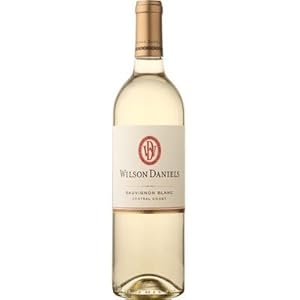
Name: Wilson Daniels Sauvignon Blanc
Variety: Sauvignon Blanc
Region: Central Coast, California
Country: USA
Year: 2010
Price: $7.95

Winery Review: Orange blossom and citrus permeate the aromas. Alluring flavors of orange and grapefruit dominate the palate. Bright acidity balances the plush mouthfeel, resulting in a clean finish.

My Review: Citrus on the nose, light and fruity. Nice and fairly smooth until the tail end of the taste, something tart and different about it. Sits nicely right up until the bit goes down. Almost like a "close but no cigar"

Name: Chandon Sweet Cuvee
Variety: Champagne
Region: California
Country: USA
Year: NV
Price: $9.95

Winery Review: This wine is an innovative sparkling wine style revealing vibrant stone fruit and floral aromas with rich, luscious mouthfeel. This wine enlivens the senses and sparks spontaneous moments, complementing your passion for a good life.

My Review: Smells like your typical champagne, but a lot sweeter. I can't really pick out anything particular on the nose. This one is so reminiscent of the first one tasted, it starts off all nice and fruity, but then there is something peculiar towards the tail end of it, something tart.


Name: Black Ridge White Zinfandel
Variety: White Zinfandel
Region: California
Country: USA
Year: NV
Price: $3.95

Winery Review: This fruit forward White Zinfandel displays fresh aromas and crisp flavors of strawberry, raspberry, and cherry. It is incredibly food friendly and will pair well with burgers, sandwiches, fruit salad, and more.

My Review: A little dark for a white zin, more of a deep rose. A little jammy and some raspberry notes on the nose. Very nice and fruity, with a nice smooth finish. Look like I found my deal of the day.

Name: Ksana Bonarda
Variety: Bonarda
Region: Mendoza
Country: Argentina
Year: 2008
Price: $9.95

Winery Review: The bouquet is floral and lightly jammy, with berry aromas and a savory note or two. To the uninitiated, this is a great introduction to Bonarda. Finishes solid. Very sweet, berry smell with some rooty undertones. Kind of dry, makes your lips pucker.

My Review: Smells like grape laffy taffy, and almost gives a few hints that it might be a little on the dry side. Definitely dry towards the tail end of this one, makes you pucker. The taste I can't so much get into. Definitely a different experience as this is my first time with Bonarda.


Name: Concannon Shiraz
Variety: Shiraz
Region: Central Coast, California
Country: USA
Year: 2008
Price: $7.95

Winery Review: This is an extremely rich, full-bodied wine with a dark fruit core. Aromas of blackberry, cassis and dark cherry are followed by more berry fruits and chocolate and mocha on the palate.

My Review: Very strong red fruit and a lot, a lot of cherry on the nose. A little mocha is coming out on the palate, some bittersweet chocolaty hints, quite tasty, but also very unlike anything I have tasted. 

Sunday, April 14, 2013

This Week's Tastings

Name: Smoking Loon Sauvignon Blanc
Variety: Sauvignon Blanc
Region: California
Country: USA
Year: 2009
Price: $7.95

Winery Review: This bleached blonde beauty is reminiscent of fresh green apples, pineapple and has hints of hibiscus blossoms. The concentration of zesty lemon and gooseberry fills your mouth leaving notes of thyme and melon behind. The bright acid in this wine gives you a zing while the fruit keeps your mouth watering for more. This wine pairs beautifully with a grilled prawn salad with a grapefruit vinaigrette, veggie spring rolls or grilled tilapia with mango salsa.

My Review: Definitely getting the hints of pineapple on the nose, great scent to it. A nice smooth sweetness to the taste, not a tart sweetness, just very smooth and tasty.


Name: Bricco Dei Tati Rose
Variety: 100% Barbera
Region: Italy
Country: Italy
Year: 2012
Price: $6.95

Winery Review: Fresh with aromas of strawberries, cherries, and rose petals, this is an ideal wine with shellfish, salads, chicken, and appetizers.

My Review: Very strong strawberry on the nose, smells so delicious. Nice strawberry flavor, which is much more prevalent on the aftertaste, and a very nice rose that I will be purchasing a bottle of.


Name: Wilson Daniels Merlot
Variety: Merlot
Region: Central Coast, California
Country: USA
Year: 2010
Price: $7.95

Winery Review: Made predominantly from Paso Robles grapes, the wine is full-bodied and silky yet robust, with aromas of black cherry and plum and a palate of blackberry, raspberry, and blueberry jam laced with vanilla and toast.

My Review: I didn't get much on the nose besides some cherry hints. Can sense some of the vanilla after a few sniffs. Holy tanic, this wine has a boat load of tannins. The flavor wasn't too bad, but the tannins almost overtake it.

Name: Torre Castillo Alegre
Variety: 100% Monastrell
Region: Jumilla
Country: Spain
Year: 2010
Price: $6.95

Winery Review: 4 months in new American oak barrels. Bright ruby red. Dried cherry, pipe tobacco and rose aromas, with a hint of woodsmoke. Sweet and fleshy on the palate, with blackberry and cherry flavors complicated by licorice and a suggestion of dried herbs. The cherry and smoke notes repeat on the finish.

My Review: Twizzlers. Period. Smells identical. Almost like a fruity smoky flavor. Some slight cherry with some oak. A nice mix, seems to be well balanced, nothing too over powering.


Name: Caprice de Bastor-Lamontagne
Variety: 60% Semillion, 36% Sauvignon Blanc, 4% Muscadelle
Region: Sauternes
Country: France
Year: 2004
Price: $7.95

Winery Review: Very clean, with lemon, mineral and honey aromas that follow through to a medium body. Shows vanilla, apple and melon flavors, with a medium finish. Lightly sweet.

My Review: Very zesty light fruit on the nose, a little bit of lemon and some citrus. Super super sweet, a little too much. It would almost be better with some carbonation. A thick wine, almost syrup like.

Sunday, April 7, 2013

This week's tastings

Name: Veleta Brut Vino Espumoso Rosado
Variety: Espumoso Rosado
Region: Southeast Spain
Country: Spain
Year: NV
Price: $3.95

Winery Review: Rose salmon with copper reflections. Slow rising fine bubble that forms "lace" and "rosary". In the nose is complex and elegant with red fruit, citric, exotic, fresh flowers, and notes of dry fruits and dry flowers. Fresh, gentle, and alive. Perfectly integrated "perlage" with serious and subtle flavors of dry fruits, pomegranate and lemonade. Long lasting scent of flowers and herbs.

My Review: Very light in color, almost an orange/salmon. Almost "flowery" on the nose. Maybe a touch of citrus. Almost a slightly sour flavor, and a little dry for my liking. Not something I would want more than a glass of.

Name: Veleta Tempranillo Rosado
Variety: Tempranillo
Region: Granada
Country: Spain
Year: 2010
Price: $3.95

Winery Review:  Fresh in flavor and crisp in texture, this dry rose offers berry, tart cherry and light herbal flavors, with firm acidity and a clean finish. Focused and juicy.

My Review: Cherry on the nose, and also I'm getting a really strong scent of fresh baked bread. Taste was what I was expecting from a Tempranillo, nothing special. A little dry and not a lot of flavor.

Name: Cresta Azul
Variety: Moscatel, Macabeo, Parellada, Xarel-lo
Region: Spain
Country: Spain
Year: NV
Price: $5.95

Winery Review: Peach, orange cream, and vanilla flavors mingle in this softly bubbly white. Off-dry, but with a crisp acidity and a clean finish.

My Review: A very light colored bubbly white, orange cream and vanilla are strong on the nose. It smells absolutely delicious. A nice smooth flavor, you almost can't tell it has bubbles once it's in your mouth. I like it, well worth the six dollars.


Name: Chateau Serres Sainte Lucie Corbieres
Variety: Syrah, Grenache, and Mourvedre
Region: Corbieres
Country: France
Year: NV
Price: $4.95

Winery Review: Superb dark garnet color with a few reflections of dark orange. Intense nose of ripe fruits, spices, and roasted coffee. The palate is rounded and full, with silky matured tannins and hints of vanilla. This wine is rich and powerful with layers of tannins.

My Review: This smells like a potent red. Very strong dark flavors on the nose, coffee, earthy, deep tones. Also very dark in color. The tannins are pretty well balanced, and I can tell that this wine would be awesome paired together with a nice steak. Flavor is definitely not as overwhelming as the scent.

Name: Ruta 22 Malbec
Variety: Malbec
Region: Patagonia
Country: Argentina
Year: NV
Price: $7.95

Winery Review: Stout and dense from the beginning, with blackberry and violet aromas. Despite being a bold and dark Malbec, this is fresh and composed, with sweet blackberry and cassis flavors. Good on the finish, with candied fruit and caramel sweetness.

My Review: Dark red, not a lot of specifics jumping out to my nose, just a mix of red berry. Very tart, tastes like a sweet tart. The aftertaste is extremely sweet and not what I was expecting from a Malbec. Very nice!

Sunday, March 31, 2013

This Week's Tastings

Name: Canyon Road Chardonnay
Variety: Chardonnay
Region: California
Country: USA
Year: 2011
Price: $6.95

Winery Review: Medium bodied wine with notes of crisp apple and ripe citrus fruit with a hint of cinnamon spice. Delicious compliment to grilled chicken, lighter pasta dishes or mild cheeses.

My Review: Very light in color with light hints of apple on the nose. Very nice subtle apple flavor, great taste to it. Would love to try this with some grilled chicken.

Name: Sainte Victoire Cotes de Provence
Variety: Grenache, Syrah, Cinsault
Region: Provence
Country: France
Year: 2011
Price: $8.95

Winery Review: Bright salmon pink; typical of the fresh but warm Provence style. Refined and complex on the nose, with summer fruit and floral notes. Dry and crisp, with a delicate flavor and full texture.

My Review: Extreme fruitiness on the nose, also an odd color for a rose, almost an orange color, which makes sense with all the citrus scents. A nice fruity rose, nice sweetness to it.

Name: Montebuena Rioja
Variety: 100% Tempranillo
Region: Rioja
Country: Spain
Year: 2010
Price: $8.95

Winery Review: Ripe cherry and blackcurrant on the nose and in the mouth. Pliant and seamless in texture, with good heft and back-end energy. Finishes smooth and sweet, with fine grained tannins providing shape and grip. Still on the young side but this wine drinks very well with an hour or so of decanting; it's an excellent value for Rioja.

My Review: Medium Red, strong cherry on the nose. Light cherry flavor to start but then almost a bitter, not so enjoyable taste to the tail end. Not sure what it is but it went downhill, fast. Not a fan.

Name: Tres Ojos Garnacha
Variety: Garnacha
Region: Calatayud
Country: Spain
Year: 2011
Price: $6.95

Winery Review: This wine has a brick red color with a bouquet of red raspberries, spice and white pepper. The palate is incredibly concentrated and rich. The modern styles of Garnacha in Spain are continuously being perceived worldwide as wines of extraordinarily good quality. This wine is fruity, juicy, and shows a great depth, ripe tannins, length but yet with wonderful elegance and lightness. Enjoy with sausages, roasted meats, aged cheeses, etc.

My Review: Deep medium red. All I'm smelling is pepper, no fruit. Strong overwhelming scent. A lot a lot of tannins, with a very strong peppery taste and almost no fruit. Definitely not a wine to drink by itself but I could see it pairing nicely with a good steak.

Name: Emeri de Bortoli Sparkling Shiraz
Variety: Shiraz
Region: South Eastern Australia
Country: Australia
Year: NV
Price: $9.95

Winery Review: A relatively light, fresh style of sparkling Shiraz, with berries and hints of chocolate picking up just a touch of sweet vanilla on the finish.

My Review: A nice fruity scent with a touch of vanilla, really nice on the nose. A nice berry taste with a touch of acidity, a little strong though. Not bad, but not worth my ten dollars.